What Is a Rear Differential? Functions, Types, and Common Failure Signs
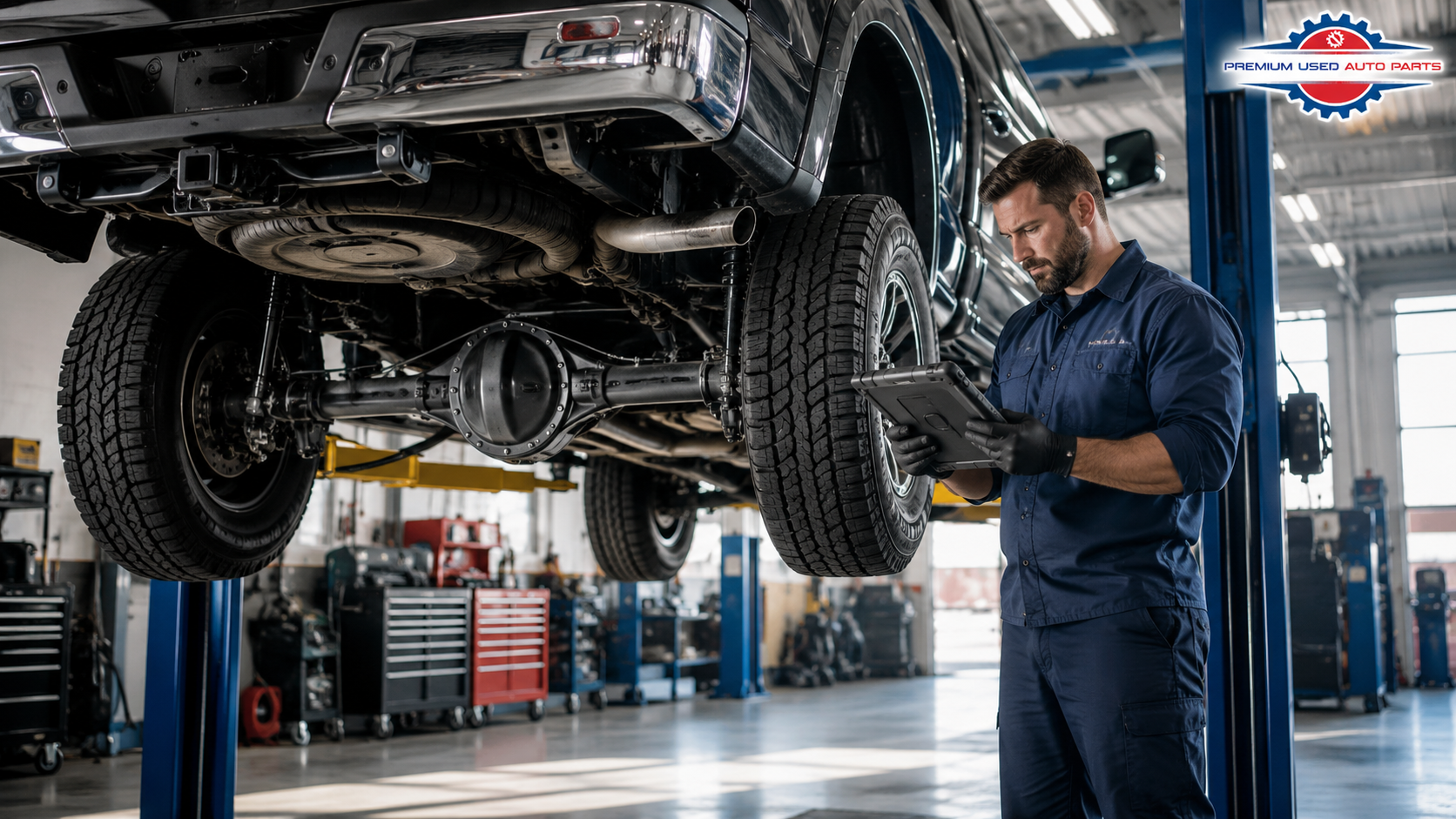
Table of Contents
9 ChaptersIntroduction
Picture a parking lot early in the morning, nobody around. You're backing out in a wide arc, turning the wheel, and without thinking twice, the car just does it. Smoothly. No screech, no jerk, no resistance. It feels like nothing — and that's exactly the point. Somewhere underneath your car, a small, unglamorous piece of machinery just made a decision in a fraction of a second: it let one rear wheel spin a little faster than the other so the turn wouldn't fight itself.
Most drivers will never bother themselves to consider how it works, until one day when they suddenly remember that there's something wrong with their rear differential because it's making noise.
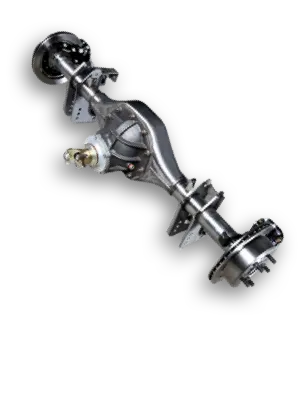
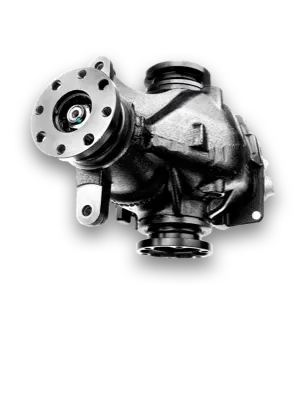
The rear differential is located between the back tires of rear-, 4- and AWD vehicles, and the primary function of this assembly is to allow the 2 rear tires to turn at different rates while providing both tires with power from a single source. Without it, a car simply couldn't corner properly. Both rear wheels would be locked into spinning at identical speeds, scrubbing the tires against the pavement every time you turned, and slowly grinding the whole drivetrain down in the process.
At Premium Used Auto Parts, we hear this story more often than you'd expect: someone brings in a car with a strange noise, convinced it's the transmission, when really, the differential has been quietly wearing out for months.
What Does a Rear Differential Actually Do?
Here's what is actually wild. As your car turns, the wheels do rotate, but only the outer rear wheel does. When your car is making a right turn, only the outer rear wheel is spinning yet again and the outer rear wheel must turn faster than the inner rear wheel. If both wheels were forced to rotate at the same speed, something would have to give — usually the tires, dragging and scrubbing instead of rolling freely.
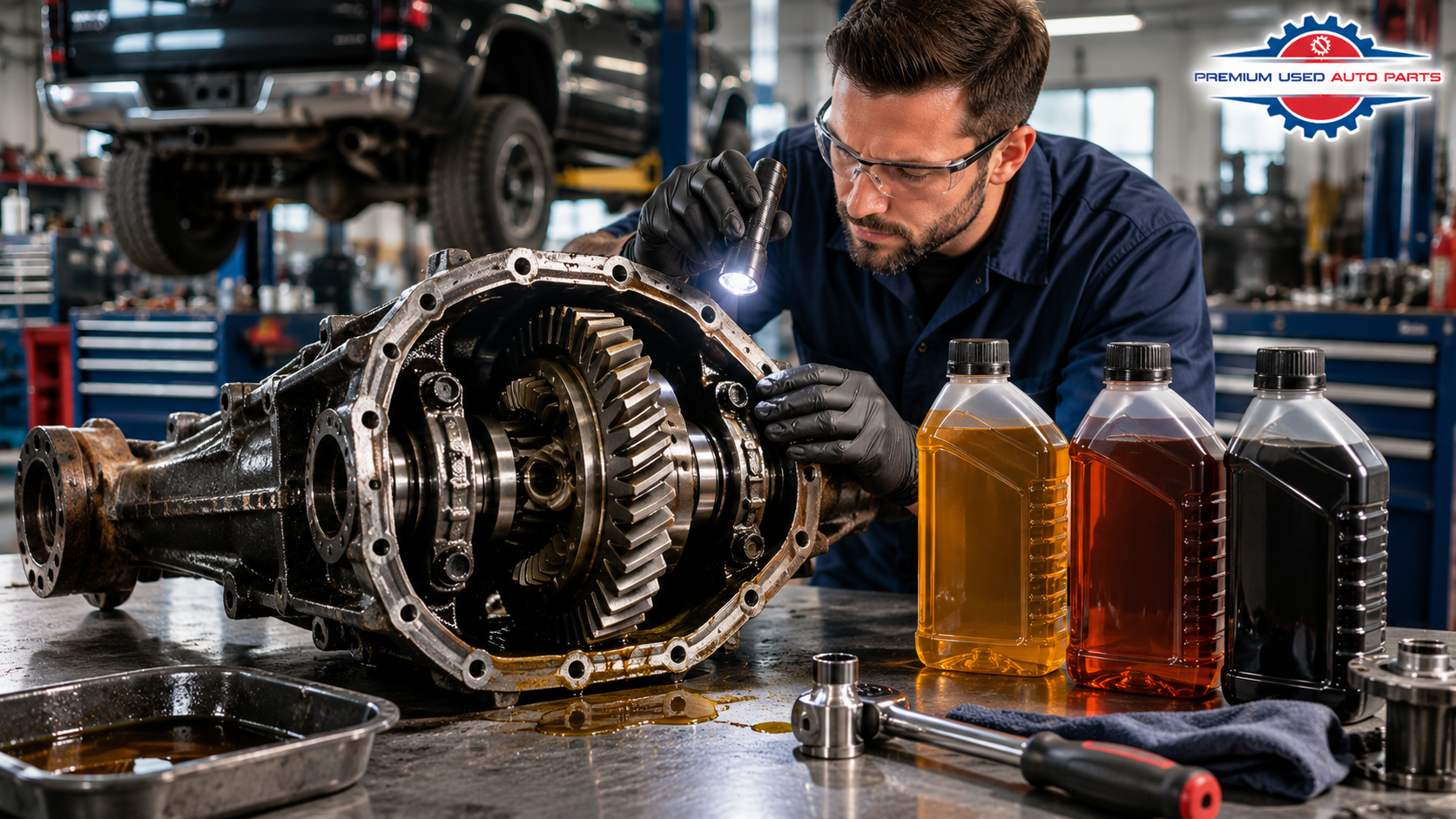
Inside the differential housing, a handful of components solve this problem together:
- The ring gear and pinion gear redirect power coming from the driveshaft, turning it 90 degrees toward the axles
- The side gears allow each wheel to spin independently of the other
- The spider gears sit between the side gears and balance how torque gets distributed
- Everything together is being held by the differential and contains the differential fluid that keeps it all lubricated
It's a world of moving metal which is small, closed-off and quietly solving a physics problem every single time you turn the wheel.
Is a Differential the Same as a Transmission?
The answer is No. And these two components are constantly mistaken. The transmission is more like the brain. It sorts out how much power the engine should send and in which gear. The differential is more like the messenger that takes that power and sends it to the wheels, allowing them to spin whatever way the turn requires. The transmission and differential are connected and often by a driveshaft in a rear-wheel-drive vehicle, but they solve different problems, and are therefore different components. Let’s see how different components open vs limited slip differential are.
Differentials You Should Know: Open vs Limited Slip Differentials
Differentials are not all the same, especially when one of the wheels loses traction. The differential that is more commonly seen is the open differential. Open differentials are the default in most everyday vehicles. It's simple, reliable, and sends power to whichever wheel offers the least resistance. On dry pavement, this works perfectly fine.
A major issue with open differentials occurs when one tire hits a patch of ice, mud or gravel. The tire providing less traction will receive 100% of the driving force from the open differential. This makes the tire with no traction spin even faster, while the tire with traction stops and helps nothing.
To address this specific issue, limited slip differentials were invented. As soon as one tire starts slipping, a limited slip differential partially locks the two tires together and forces power in the direction of the tire that has more traction. This is a very common differential choice among people who tow a trailer or among people who drive in performance settings or who drive in wet or loose conditions. The reason is because, even in the most unpredictable situations, the limited slip is still very predictable.
Then comes the differential that is the most extreme of the three, the locking differential. This differential greatly cuts down on smoothness when turning, but ensures all tires are guaranteed to have the greatest possible traction. This is a very common choice among off-road and big, heavy duty trucks.
The Quiet Importance of Differential Fluid
All differentials have one substance in common: differential fluid, called gear oil too. It is literally the lubricant for the differential gears. It pulls heat. It reduces friction.
Like all fluids, it degrades over time. Unlike most fluids, it is a vehicular sponge. It is a sponge for metal (it picks up metal particles shed from processed gears), and loses its helpful traits. Most differential manufacturers suggest a change of fluid from 30,000 to 50,000 miles. If you’re in the following situations, consider reducing the time between intervals:
- Towing trailers, boats, or large vehicles regularly.
- Driving frequently off road or on unpaved roads.
- Heavier than normal hauling.
- Stopping and going in especially hot weather.
You can always check your car's manual to find the manufacturer differential fluid change guidelines for that particular vehicle. It is definitely the best source, and most people don't think of that first for info on differential lubricant changes.
The Warning Signs Nobody Wants to Hear
Most differentials will provide a signal that there is a problem before an actual breakdown or failure occurs. The signals are gradual in their manifestation, meaning that a driver might not take any notice until it is too late. This is a very common error when there is a differential failure, and you could prevent your vehicle from becoming immobilized.
Here are some things to actually listen and watch out for:
- A loud noise (whining or humming) that gets worse when accelerating is the sign of insufficient differential lubrication, and/or worn out gears.
- Clunking noises when transitioning to drive from park, and during acceleration.
- Vibration that worsens upon acceleration caused by failing rear differential bearings.
- A burning smell, and/or smoke coming from the rear of the vehicle, is a sign of differential fluid overheating and a differential lubrication failure.
- Fluid or oil accumulating at the rear axle, likely caused by a failed differential seal, or gasket, which is a differential lubrication and fluid failure.
- Worn differentials can reproduce strange and failing steering symptoms when turning.
Differentials that have two, or more of the signs listed above, are rarely functioning as normal.
Can You Keep Driving on a Failing Differential?
It all comes down to just how far along it is. Some small whining noise or even a minor fluid leak may be something you can drive on for a little bit before getting it checked out. But any grinding sounds, severe vibrations, or metal shavings present in the fluid indicate that your gears are already doing damage to themselves by driving. At this point, driving any further becomes an issue of whether it will fail completely.
What Does Replacement Actually Cost?
The cost is highly dependent on the part or vehicle involved and if you opt for new, remanufactured, or used parts. The cost for replacing an entire rear axle assembly is remanufactured or used assembly is comparably cheaper to a new assembly.
The costs can be in the thousands for new assembly, and a used or remanufactured assembly can provide the same tested and verified performance. Sourcing a unit that has already been inspected for the proper fit can help prevent wasted time and help avoid excessive labor costs.
Five Signs It's Time for Service — Before It's Too Late
- Unusual noise during turns or acceleration.
- Fluid spots collecting beneath the rear of the vehicle.
- Vibration that worsens as speed increases.
- Difficulty maintaining control while cornering.
- Dark or metallic-smelling differential fluid during a routine check.
Catch these early, and you're usually looking at a simple fluid service or minor repair. Ignore them long enough, and you're looking at a full rebuild — or a replacement.
FAQs

The Premium Used Auto Parts Editorial Team is backed by years of experience in the automotive parts industry and creates practical, research-driven content for vehicle owners, repair shops, and DIY enthusiasts across the USA. Our team combines real-world parts expertise with industry research to help drivers make informed decisions about OEM replacement parts, vehicle repairs, and maintenance. Every article is developed with a commitment to accuracy, transparency, and delivering reliable information that supports smarter vehicle ownership.
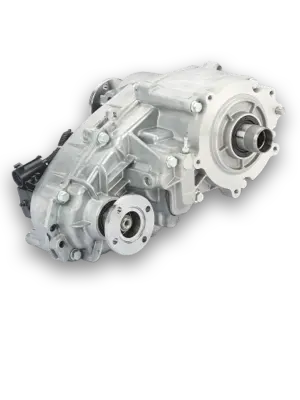

 Ford
Ford Chevrolet
 GMC
GMC Jeep
Jeep Buick
Buick Cadillac
 Oldsmobile
 Tesla
Tesla Pontiac
 Lincoln
 Dodge
Dodge Chrysler
 Hummer
 Geo
Geo Mercury
 Plymouth
 RAM
RAM Saturn
 Audi
Audi BMW
BMW Mercedes-Benz
 Volkswagen
 Porsche
 Volvo
Volvo SAAB
SAAB Peugeot
 Toyota
 Honda
Honda Nissan
 Mitsubishi
 Mazda
Mazda Hyundai
 Kia
Kia Isuzu
Isuzu Acura
Acura Lexus
Lexus Subaru
 Scion
Scion Infiniti
 Genesis
 Land Rover
 Mini
Mini Bentley
 Aston Martin
 Jaguar
 Fiat
Fiat Alfa Romeo
 Lamborghini
 Ferrari
 Maserati
 McLaren